Buy girlsoftheday.eu ?
We are moving the project
girlsoftheday.eu .
Are you interested in purchasing the domain
girlsoftheday.eu ?
domain@kv-gmbh.de · 0541-91531010
Buy girlsoftheday.eu ?
Which driving style is more fuel-efficient?
A more fuel-efficient driving style is one that is smooth and steady, avoiding sudden acceleration and hard braking. By maintaining a consistent speed, anticipating traffic flow, and avoiding rapid changes in speed, drivers can maximize fuel efficiency. Additionally, keeping tires properly inflated, reducing unnecessary weight in the vehicle, and adhering to the recommended maintenance schedule can also help improve fuel efficiency. Overall, a more cautious and mindful driving style is typically more fuel-efficient compared to aggressive or erratic driving. **
What does fuel-efficient driving mean?
Fuel-efficient driving refers to adopting driving habits and techniques that maximize the fuel efficiency of a vehicle. This includes practices such as maintaining a steady speed, avoiding rapid acceleration and braking, keeping tires properly inflated, and reducing unnecessary idling. By driving in a fuel-efficient manner, drivers can reduce fuel consumption, save money on gas, and minimize their environmental impact by reducing emissions. **

Similar search terms for Fuel-efficient
Top-Angebote
Products related to Fuel-efficient:
-
Uplifted Finds Efficient Pet Hair Remover Brush Efficient Pet Hair Remover BrushMaintain a furfree home with this Pet Hair Remover Brush, an essential tool for dogs and cats owners. Engineered for maximum efficiency, this fur remover works across multiple surfaces including furniture, cars, carpets, and beds to lift deeply...37,97 $*Shipping: 0,00 $Secure redirect to the provider
-
KRAFT 1728300 Fuel filterProduction Number: 1728300; Filter type: In-Line Filter; Construction Year to: 08/2000, 12/1998, 03/2002, 08/1999, 01/1998, 04/1997, 11/1996, 04/1998, 08/1998, 12/1997, 02/2002, 05/1998, 10/1995, 10/1998, 07/1999, 06/2000, 03/2010, 09/1996, 02/1999, 03/1998, 08/2009, 01/2004, 06/2004, 09/2003, 02/2005, 06/2012, 01/2012, 04/2002, 04/2007, 08/2005, 11/1999, 08/2003, 09/2002, 08/2004, 09/2005, 12/2005, 04/2004, 05/2006, 02/2011, 02/2004, 11/2006, 09/2008, 07/2009, 11/2004, 05/2004, 09/2006, 05/2009, 12/2009, 07/2005, 06/2008, 09/2010, 01/2011, 12/2001, 09/2007, 12/2002, 05/2008, 10/2005, 06/2009, 02/2000; TecDoc Engine Number: 10867, 12949, 9384, 5537, 5532, 12513, 12515, 4405, 9509, 1839, 4400, 5536, 9752, 19, 5070, 9755, 4820, 14923, 2737, 18730, 9462, 9463, 18851, 16197, 13268, 15248, 16414, 15650, 15373, 16240, 16459, 20510, 16872, 17404, 17405, 17406, 18199, 18200, 18201, 16541, 17070, 17069, 17450, 19199, 20714, 16524, 19821, 20089, 20090, 20842, 8405; Construction Year from: 09/1997, 05/1997, 11/1995, 01/1995, 10/1994, 04/1994, 12/1997, 09/1994, 05/1995, 09/1996, 11/1998, 06/1996, 10/1996, 03/1999, 09/2000, 04/1997, 05/1998, 03/2003, 09/2010, 07/2000, 10/1997, 01/2007, 09/1999, 06/2000, 11/2001, 01/2004, 09/2001, 11/2004, 03/1998, 06/1998, 02/2003, 05/2004, 05/2003, 09/2002, 09/2003, 04/2003, 08/2002, 09/2004, 09/2005, 08/2005, 07/2006, 01/2010, 05/2006, 07/2004, 09/2006, 07/2002, 06/2006, 01/1998, 07/2007, 05/2009, 03/2006, 03/2009; Vehicle Identification Number (VIN) from: 6K..W..000 001, 5408417, 15408416, 53510416; Engine Code: ANX, X 18 XE<Ecotec>, 176 B4.000<M7>, 182 A2.000<M6>, 182 A2.000<M10>, 182 A2.000<M5>, 183 A1.000<M4>, 183 A1.000<M1>, 182 A2.000<M3>, X20SED, A15SMS<E-TEC>, Z 16 XEP<Ecotec>, B207G, C 16 SEL<DOHC>, B205E<Ecopower>, Z 14 XEP<Twinport>, WB, C 14 SEL, BHD, B284L<Turbo>, B235R, B235E, B235E<BioPower>, B284L, B207R; RICAMBI no. up to: 37640, 4873621, 0176690, 5054799, 2018321, 0270957, 2022837; Transmission Type: Automatic Transmission; Engine Number to: 1070426; Vehicle Identification Number (VIN) to: 278290, 8Z..2..700 000; Fuel Supply: for vehicles with fuel return system; for PR number: 0F2, 1A2; Vehicle Equipment: for vehicles without gas operation; Supplementary Article / Supplementary Info Info 2: without pressure regulator5,59 £*Shipping: 8,45 £Secure redirect to the provider



-
Which car is more fuel-efficient?
Based on the information provided, Car A is more fuel-efficient as it can travel 40 miles per gallon, while Car B can only travel 30 miles per gallon. This means that Car A can travel a greater distance on the same amount of fuel compared to Car B, making it the more fuel-efficient option. **
-
Are automatic vehicles more fuel-efficient?
Automatic vehicles can be more fuel-efficient than manual vehicles in certain situations. This is because automatic transmissions can shift gears more efficiently, leading to better fuel economy. However, the fuel efficiency of a vehicle depends on various factors such as the make and model, driving habits, and maintenance. Therefore, it is important to consider all these factors when comparing the fuel efficiency of automatic and manual vehicles. **
-
How can you save fuel by choosing fuel-efficient routes?
You can save fuel by choosing fuel-efficient routes because these routes are often designed to minimize stops and idling, which can waste fuel. Fuel-efficient routes may also avoid traffic congestion and hills, which can increase fuel consumption. By selecting the most direct and smooth routes, you can reduce the overall distance traveled and the amount of fuel needed to reach your destination. Additionally, using GPS navigation systems or apps that provide real-time traffic updates can help you choose the most efficient route based on current road conditions. **
-
Which old fuel-efficient cars are suitable for saving fuel?
Some old fuel-efficient cars that are suitable for saving fuel include the Honda Civic, Toyota Prius, and Volkswagen Golf TDI. These cars are known for their excellent fuel economy and can help drivers save money on gas. Additionally, their smaller size and lighter weight contribute to their fuel efficiency, making them a good choice for those looking to reduce their fuel consumption. **


Which is more fuel-efficient, 3 or...?
Which is more fuel-efficient, 3 or 4? **
What is more fuel-efficient, 3 or...?
What is more fuel-efficient, 3 or 4? A vehicle with 3 cylinders is generally more fuel-efficient than a vehicle with 4 cylinders. This is because a 3-cylinder engine is smaller and lighter, requiring less fuel to operate. Additionally, a 3-cylinder engine has fewer moving parts, resulting in less friction and energy loss. Overall, a 3-cylinder vehicle is likely to have better fuel economy compared to a 4-cylinder vehicle. **
Top-Angebote
Products related to Fuel-efficient:
-
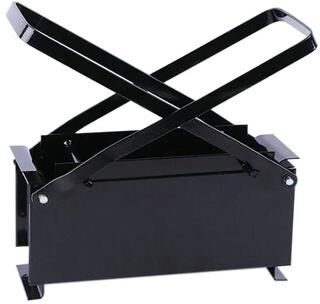
Drop Dash Deals Heavy Duty Paper Log Briquette Maker For Efficient Burning Fuel Heavy Duty Paper Log Briquette Maker For Efficient Burning FuelTransform scraps and waste paper into durable, ecofriendly fuel with this 1 pc of Paper Log Briquette Maker. Designed for homeowners, campers, and ecoconscious DIYers, it turns ordinary paper into compact briquettes that burn longer and cleaner....99,97 $*Shipping: 0,00 $Secure redirect to the provider
-
Beauty Discovery Box Notino Face Fuel set WBeauty Discovery Box Notino Face Fuel, , Cosmetic Sets for Women, Don’t miss your opportunity and discover the most popular cosmetic products by the world’s top brands. The Beauty Discovery Box Notino Face Fuel set contains mini versions and samples which you can test out in the comfort of your home. Keep up with the latest beauty trends. The set contains: Biotherm Blue Peptides Uplift Night Cream face cream night 1,5 ml Lancôme Rénergie H.P.N. 300-Peptide Cream SPF 25 High-Performance anti-wrinkle day cream SPF 25 5 ml Clinique Moisture Surge™ 100H Auto-Replenishing Hydrator moisturising gel cream 1 ml Estée Lauder Revitalizing Supreme+ Youth Power Creme daily lifting and firming cream to brighten and smooth the skin 1,5 ml Dr. Jart+ Ceramidin™ Skin Barrier Moisturizing Cream moisturising cream with ceramides 1,5 ml Characteristics: amazing as a gift for a comprehensive skin care routine a treat for any woman a set at a favourable price3,90 £*Shipping: 3,99 £Secure redirect to the provider
-
Uplifted Finds Efficient Pet Hair Remover Brush Efficient Pet Hair Remover BrushMaintain a furfree home with this Pet Hair Remover Brush, an essential tool for dogs and cats owners. Engineered for maximum efficiency, this fur remover works across multiple surfaces including furniture, cars, carpets, and beds to lift deeply...37,97 $*Shipping: 0,00 $Secure redirect to the provider
-
Which driving style is more fuel-efficient?
A more fuel-efficient driving style is one that is smooth and steady, avoiding sudden acceleration and hard braking. By maintaining a consistent speed, anticipating traffic flow, and avoiding rapid changes in speed, drivers can maximize fuel efficiency. Additionally, keeping tires properly inflated, reducing unnecessary weight in the vehicle, and adhering to the recommended maintenance schedule can also help improve fuel efficiency. Overall, a more cautious and mindful driving style is typically more fuel-efficient compared to aggressive or erratic driving. **
-
What does fuel-efficient driving mean?
Fuel-efficient driving refers to adopting driving habits and techniques that maximize the fuel efficiency of a vehicle. This includes practices such as maintaining a steady speed, avoiding rapid acceleration and braking, keeping tires properly inflated, and reducing unnecessary idling. By driving in a fuel-efficient manner, drivers can reduce fuel consumption, save money on gas, and minimize their environmental impact by reducing emissions. **
-
Which car is more fuel-efficient?
Based on the information provided, Car A is more fuel-efficient as it can travel 40 miles per gallon, while Car B can only travel 30 miles per gallon. This means that Car A can travel a greater distance on the same amount of fuel compared to Car B, making it the more fuel-efficient option. **
-
Are automatic vehicles more fuel-efficient?
Automatic vehicles can be more fuel-efficient than manual vehicles in certain situations. This is because automatic transmissions can shift gears more efficiently, leading to better fuel economy. However, the fuel efficiency of a vehicle depends on various factors such as the make and model, driving habits, and maintenance. Therefore, it is important to consider all these factors when comparing the fuel efficiency of automatic and manual vehicles. **
Similar search terms for Fuel-efficient
-
KRAFT 1728300 Fuel filterProduction Number: 1728300; Filter type: In-Line Filter; Construction Year to: 08/2000, 12/1998, 03/2002, 08/1999, 01/1998, 04/1997, 11/1996, 04/1998, 08/1998, 12/1997, 02/2002, 05/1998, 10/1995, 10/1998, 07/1999, 06/2000, 03/2010, 09/1996, 02/1999, 03/1998, 08/2009, 01/2004, 06/2004, 09/2003, 02/2005, 06/2012, 01/2012, 04/2002, 04/2007, 08/2005, 11/1999, 08/2003, 09/2002, 08/2004, 09/2005, 12/2005, 04/2004, 05/2006, 02/2011, 02/2004, 11/2006, 09/2008, 07/2009, 11/2004, 05/2004, 09/2006, 05/2009, 12/2009, 07/2005, 06/2008, 09/2010, 01/2011, 12/2001, 09/2007, 12/2002, 05/2008, 10/2005, 06/2009, 02/2000; TecDoc Engine Number: 10867, 12949, 9384, 5537, 5532, 12513, 12515, 4405, 9509, 1839, 4400, 5536, 9752, 19, 5070, 9755, 4820, 14923, 2737, 18730, 9462, 9463, 18851, 16197, 13268, 15248, 16414, 15650, 15373, 16240, 16459, 20510, 16872, 17404, 17405, 17406, 18199, 18200, 18201, 16541, 17070, 17069, 17450, 19199, 20714, 16524, 19821, 20089, 20090, 20842, 8405; Construction Year from: 09/1997, 05/1997, 11/1995, 01/1995, 10/1994, 04/1994, 12/1997, 09/1994, 05/1995, 09/1996, 11/1998, 06/1996, 10/1996, 03/1999, 09/2000, 04/1997, 05/1998, 03/2003, 09/2010, 07/2000, 10/1997, 01/2007, 09/1999, 06/2000, 11/2001, 01/2004, 09/2001, 11/2004, 03/1998, 06/1998, 02/2003, 05/2004, 05/2003, 09/2002, 09/2003, 04/2003, 08/2002, 09/2004, 09/2005, 08/2005, 07/2006, 01/2010, 05/2006, 07/2004, 09/2006, 07/2002, 06/2006, 01/1998, 07/2007, 05/2009, 03/2006, 03/2009; Vehicle Identification Number (VIN) from: 6K..W..000 001, 5408417, 15408416, 53510416; Engine Code: ANX, X 18 XE<Ecotec>, 176 B4.000<M7>, 182 A2.000<M6>, 182 A2.000<M10>, 182 A2.000<M5>, 183 A1.000<M4>, 183 A1.000<M1>, 182 A2.000<M3>, X20SED, A15SMS<E-TEC>, Z 16 XEP<Ecotec>, B207G, C 16 SEL<DOHC>, B205E<Ecopower>, Z 14 XEP<Twinport>, WB, C 14 SEL, BHD, B284L<Turbo>, B235R, B235E, B235E<BioPower>, B284L, B207R; RICAMBI no. up to: 37640, 4873621, 0176690, 5054799, 2018321, 0270957, 2022837; Transmission Type: Automatic Transmission; Engine Number to: 1070426; Vehicle Identification Number (VIN) to: 278290, 8Z..2..700 000; Fuel Supply: for vehicles with fuel return system; for PR number: 0F2, 1A2; Vehicle Equipment: for vehicles without gas operation; Supplementary Article / Supplementary Info Info 2: without pressure regulator5,59 £*Shipping: 8,45 £Secure redirect to the provider
-
How can you save fuel by choosing fuel-efficient routes?
You can save fuel by choosing fuel-efficient routes because these routes are often designed to minimize stops and idling, which can waste fuel. Fuel-efficient routes may also avoid traffic congestion and hills, which can increase fuel consumption. By selecting the most direct and smooth routes, you can reduce the overall distance traveled and the amount of fuel needed to reach your destination. Additionally, using GPS navigation systems or apps that provide real-time traffic updates can help you choose the most efficient route based on current road conditions. **
-
Which old fuel-efficient cars are suitable for saving fuel?
Some old fuel-efficient cars that are suitable for saving fuel include the Honda Civic, Toyota Prius, and Volkswagen Golf TDI. These cars are known for their excellent fuel economy and can help drivers save money on gas. Additionally, their smaller size and lighter weight contribute to their fuel efficiency, making them a good choice for those looking to reduce their fuel consumption. **
-
Which is more fuel-efficient, 3 or...?
Which is more fuel-efficient, 3 or 4? **
-
What is more fuel-efficient, 3 or...?
What is more fuel-efficient, 3 or 4? A vehicle with 3 cylinders is generally more fuel-efficient than a vehicle with 4 cylinders. This is because a 3-cylinder engine is smaller and lighter, requiring less fuel to operate. Additionally, a 3-cylinder engine has fewer moving parts, resulting in less friction and energy loss. Overall, a 3-cylinder vehicle is likely to have better fuel economy compared to a 4-cylinder vehicle. **
* All prices are inclusive of VAT and, if applicable, plus shipping costs. The offer information is based on the details provided by the respective shop and is updated through automated processes. Real-time updates do not occur, so deviations can occur in individual cases. ** Note: Parts of this content were created by AI.