Buy girlsoftheday.eu ?
We are moving the project
girlsoftheday.eu .
Are you interested in purchasing the domain
girlsoftheday.eu ?
domain@kv-gmbh.de · 0541-91531010
Buy girlsoftheday.eu ?
Is "Rot" a noun?
Yes, "Rot" is a noun. It refers to the process of decay or decomposition in organic matter. **
Is anger a noun?
Yes, anger is a noun. It is a feeling or emotion that can be experienced by a person. As a noun, anger refers to the strong feeling of displeasure or hostility towards someone or something. It is a common human emotion that can vary in intensity and duration. **

Similar search terms for Noun
Top-Angebote
Products related to Noun:
-
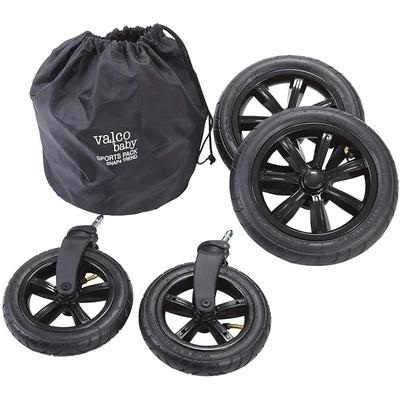
Valco Sports Pack Air Tires (Snap4 Trend, Snap Trend Duo, Snap Ultra Trend)Featuring all-terrain air tires, aSports Packis the perfect purchase for a smoother ride, better suspension, and an active parent.Including a dedicated storage bag with a convenient carrystrap, these wheels are easy to transport and storage.They can...175,00 $*Shipping: 0,00 $Secure redirect to the provider

-
Is "müssen" a noun?
No, "müssen" is not a noun. It is a modal verb in German that means "must" or "have to." Modal verbs are used to express necessity, obligation, or possibility in a sentence. **
-
How do I recognize a masculine noun and a feminine noun in French?
In French, the gender of a noun is not always predictable and can vary from word to word. However, there are some general rules to help recognize the gender of a noun. One common rule is that nouns ending in -e are often feminine, while those ending in other letters are often masculine. Additionally, nouns referring to male people or animals are usually masculine, while those referring to female people or animals are usually feminine. However, it's important to note that there are many exceptions to these rules, and the gender of a noun often needs to be learned and memorized along with the word itself. **
-
How can I recognize a masculine noun and a feminine noun in French?
In French, one way to recognize a masculine noun is by looking at the article that precedes it. Masculine nouns are usually preceded by the articles "le" (singular) or "les" (plural). On the other hand, feminine nouns are typically preceded by the articles "la" (singular) or "les" (plural). Additionally, many feminine nouns end in the letter "e," while masculine nouns often do not. It is important to remember that there are exceptions to these rules, so it is helpful to learn the gender of nouns along with their respective articles. **
-
Is a name a noun?
Yes, a name is a noun. In grammar, a noun is a word that represents a person, place, thing, or idea. Names are used to identify specific people, places, or things, making them a type of noun. For example, "John" is a name representing a person, "Paris" is a name representing a place, and "book" is a noun representing a thing. **

Which word is a noun?
The word "apple" is a noun. **
What color is a noun?
A noun does not have a specific color as it is a part of speech used to identify a person, place, thing, or idea. **
Top-Angebote
Products related to Noun:
-
ForAllApparel Mom Noun MYou've now found the staple tshirt of your wardrobe. It's made of a thicker, heavier cotton, but it's still soft and comfy. And the double stitching on the neckline and sleeves add more durability to what is sure to be a favorite! • 100% ringspun...29,97 $*Shipping: 0,00 $Secure redirect to the provider
-
Is "Rot" a noun?
Yes, "Rot" is a noun. It refers to the process of decay or decomposition in organic matter. **
-
Is anger a noun?
Yes, anger is a noun. It is a feeling or emotion that can be experienced by a person. As a noun, anger refers to the strong feeling of displeasure or hostility towards someone or something. It is a common human emotion that can vary in intensity and duration. **
-
Is "müssen" a noun?
No, "müssen" is not a noun. It is a modal verb in German that means "must" or "have to." Modal verbs are used to express necessity, obligation, or possibility in a sentence. **
-
How do I recognize a masculine noun and a feminine noun in French?
In French, the gender of a noun is not always predictable and can vary from word to word. However, there are some general rules to help recognize the gender of a noun. One common rule is that nouns ending in -e are often feminine, while those ending in other letters are often masculine. Additionally, nouns referring to male people or animals are usually masculine, while those referring to female people or animals are usually feminine. However, it's important to note that there are many exceptions to these rules, and the gender of a noun often needs to be learned and memorized along with the word itself. **
Similar search terms for Noun
-
Valco Sports Pack Air Tires (Snap4 Trend, Snap Trend Duo, Snap Ultra Trend)Featuring all-terrain air tires, aSports Packis the perfect purchase for a smoother ride, better suspension, and an active parent.Including a dedicated storage bag with a convenient carrystrap, these wheels are easy to transport and storage.They can...175,00 $*Shipping: 0,00 $Secure redirect to the provider
-
Uplift Essentials Vintage Fashion Perfume Poster Elegant Woman & Fragrance Prints Chic Canvas Wall Art For Home & Room Decor style 1 12x16 InProduct Name Vintage Fashion Perfume Poster Elegant Woman & Fragrance Prints Chic Canvas Wall Art for Home & Room DecorAdd a touch of timeless sophistication to your home with our stunning vintage fashion perfume poster. Inspired by the golden era...54,97 $*Shipping: 0,00 $Secure redirect to the provider
-
How can I recognize a masculine noun and a feminine noun in French?
In French, one way to recognize a masculine noun is by looking at the article that precedes it. Masculine nouns are usually preceded by the articles "le" (singular) or "les" (plural). On the other hand, feminine nouns are typically preceded by the articles "la" (singular) or "les" (plural). Additionally, many feminine nouns end in the letter "e," while masculine nouns often do not. It is important to remember that there are exceptions to these rules, so it is helpful to learn the gender of nouns along with their respective articles. **
-
Is a name a noun?
Yes, a name is a noun. In grammar, a noun is a word that represents a person, place, thing, or idea. Names are used to identify specific people, places, or things, making them a type of noun. For example, "John" is a name representing a person, "Paris" is a name representing a place, and "book" is a noun representing a thing. **
-
Which word is a noun?
The word "apple" is a noun. **
-
What color is a noun?
A noun does not have a specific color as it is a part of speech used to identify a person, place, thing, or idea. **
* All prices are inclusive of VAT and, if applicable, plus shipping costs. The offer information is based on the details provided by the respective shop and is updated through automated processes. Real-time updates do not occur, so deviations can occur in individual cases. ** Note: Parts of this content were created by AI.